
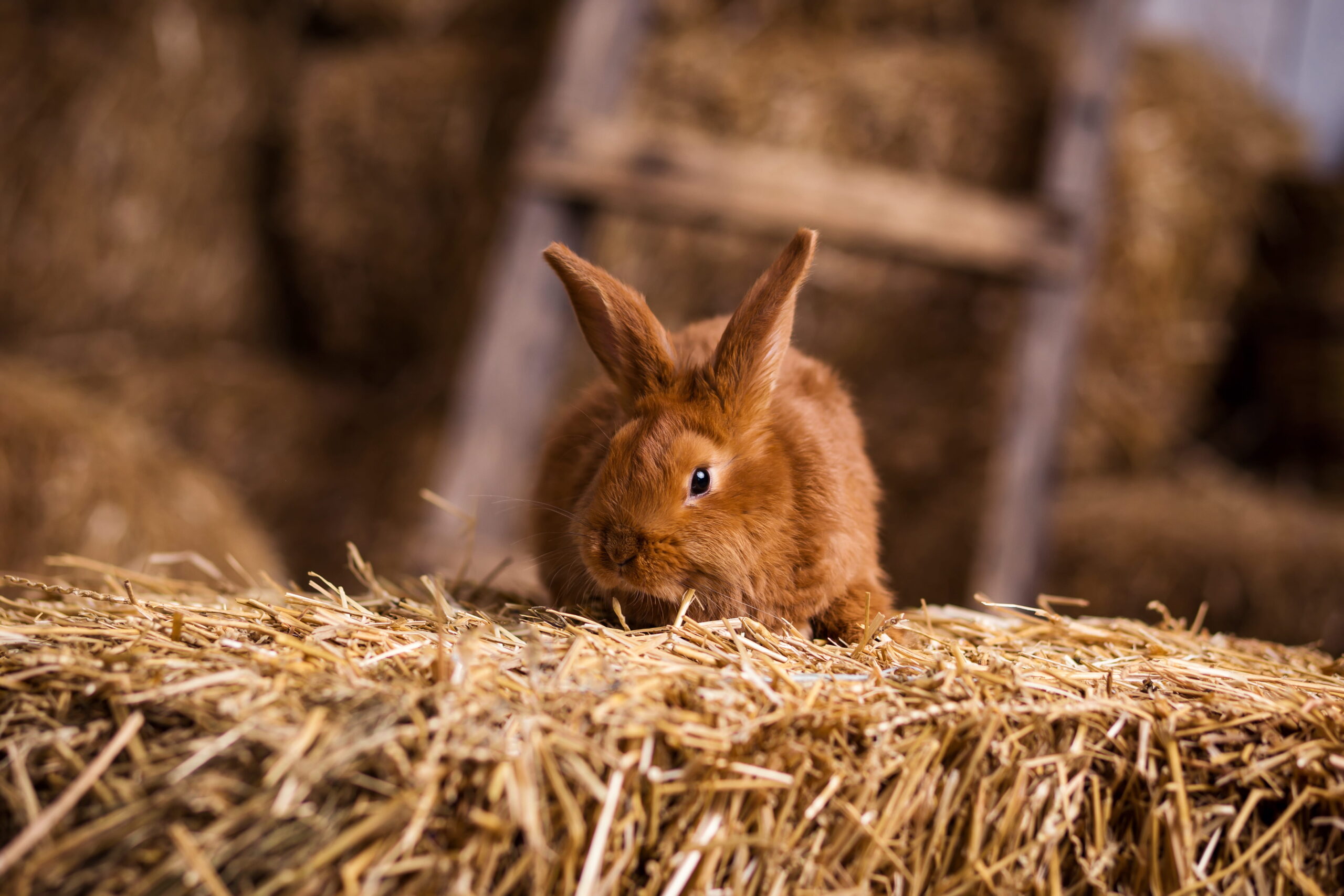
If you share your home with a rabbit, one condition deserves a place near the top of your health checklist: gastrointestinal stasis, commonly called GI stasis.
GI stasis occurs when the normal movement of food through a rabbit’s digestive system slows considerably or stops. A rabbit that is eating less, producing smaller droppings or behaving differently may already require urgent veterinary attention. Without appropriate treatment, the condition can deteriorate rapidly and become life-threatening.
An exotic vet in Dubai will consider changes in appetite, droppings and behaviour together, as rabbits instinctively conceal pain and illness. What initially looks like fussiness or a quiet afternoon may be an early warning that something is wrong. Knowing your rabbit’s normal daily habits is therefore an important part of responsible care.
What Happens When a Rabbit Develops GI Stasis?
A rabbit’s digestive system is designed to receive fibrous food throughout the day. Food continuously moves through the gastrointestinal tract, while beneficial microorganisms in the caecum help process fermentable fibre and produce nutrients the rabbit can absorb.
When digestive movement slows, food and hair remain in the stomach and intestines longer than they should. The contents can become increasingly dry, gas may accumulate, and the balance within the digestive system can be disrupted. This causes discomfort and can make the rabbit even less willing to eat.
A harmful cycle may then develop:
- The rabbit eats less or stops eating.
- Less fibre enters the digestive tract.
- Normal gastrointestinal movement slows further.
- Gas and discomfort increase.
- Pain suppresses the appetite even more.
- Dehydration makes it harder for digestive contents to move.
GI stasis is not simply constipation or a hairball. Hair is commonly present in a rabbit’s stomach because rabbits groom themselves, but a healthy digestive system normally moves swallowed hair through the body with food. A build-up of hair is often a consequence of reduced gut movement rather than the original cause.

Why an Exotic Vet in Dubai Treats GI Stasis as an Emergency
Rabbits need to eat regularly to support normal digestive function. A noticeable reduction in appetite or droppings should therefore be taken seriously, even when the rabbit still appears alert.
Because rabbits are prey animals, they may hide signs of illness until they are significantly unwell. By the time a rabbit refuses all food, produces no droppings or sits hunched in pain, the condition may already be advanced.
Another reason an urgent veterinary examination is essential is that apparent GI stasis can resemble an intestinal obstruction. An obstruction prevents digestive contents from moving normally and may require a very different treatment approach. Owners cannot safely distinguish between these conditions at home.
Do not wait overnight to see whether a rabbit that has stopped eating improves. Contact a veterinarian immediately. Outside normal clinic hours, the Two Feet Four Paws Nightline is available on 058 567 1776 for calm guidance and help deciding whether immediate treatment is needed.
For more symptoms that require urgent attention, read our guide to rabbit emergencies in Dubai.
What Causes GI Stasis in Rabbits?
GI stasis is often a secondary problem rather than a disease with a single cause. Something else may have caused the rabbit to eat less, experience pain or become dehydrated. Identifying that underlying problem is essential because supporting the digestive system alone may not prevent the condition from returning.
An inappropriate diet
Long-strand fibre helps maintain healthy gut movement. Rabbits should have unrestricted access to suitable grass hay, supported by appropriate leafy greens and a measured quantity of good-quality pellets.
A diet containing too little hay and too many pellets, sugary treats or high-carbohydrate foods may reduce fibre intake and contribute to digestive imbalance. Sudden dietary changes can also upset the gastrointestinal system.
Our practical guide to rabbit diet and health explains how hay, greens, pellets and treats should fit into a rabbit’s daily diet.
Dental disease
A rabbit’s teeth grow continuously. Overgrown teeth, sharp molar points, tooth-root problems or dental abscesses can make chewing painful. The rabbit may begin by avoiding hay or harder foods while continuing to accept softer favourites, making the early appetite change easy to miss.
As eating declines, the lack of fibre moving through the digestive tract can contribute to GI stasis. Regular dental assessments are therefore an important part of preventive exotic pet care.
Learn more about the connection between eating habits and rabbit dental health.
Pain or underlying illness
Almost any painful condition can reduce a rabbit’s appetite. Possible contributors include arthritis, urinary disease, injury, infection and abdominal discomfort. Kidney, liver and reproductive conditions may also affect appetite and general well-being.
This is why GI stasis should not be viewed only as a digestive problem. A complete examination may uncover an issue elsewhere in the body that requires treatment.
Stress and environmental change
Rabbits can be sensitive to disruption. Moving home, travelling, boarding, a new pet, changes in companionship, loud noise or an altered routine may cause some rabbits to eat less.
Dubai’s heat is another practical consideration. An indoor environment that becomes too warm may cause stress, dehydration and reduced food intake. Rabbits should have a cool, well-ventilated living space with continuous access to fresh water.
Dehydration
Hydration helps digestive contents remain soft enough to move through the gastrointestinal tract. A rabbit may become dehydrated because of inadequate water intake, excessive heat or an underlying illness.
Owners should check water bottles and bowls daily. Some rabbits drink more readily from a heavy ceramic bowl, although individual preferences differ. Any unexplained reduction in drinking should be considered alongside appetite, droppings and behaviour.

Warning Signs Every Rabbit Owner Should Recognise
Early symptoms can be subtle. Rather than waiting for complete food refusal, pay attention to changes from your rabbit’s normal pattern.
Contact a veterinarian immediately if you notice:
- Eating less or taking longer to finish food
- Refusing hay while accepting treats or softer foods
- Refusing favourite foods
- Smaller, darker or unusually dry droppings
- Fewer droppings than usual
- No droppings
- Reduced drinking
- Lethargy or reluctance to move
- Sitting in a hunched or tightly tucked position
- Loud tooth grinding, which may indicate pain
- A swollen, firm or painful abdomen
- Repeatedly changing position as if unable to get comfortable
- Hiding more than usual
- Reduced interest in companionship or normal activities
- A noticeable drop in body weight
Droppings provide valuable information about digestive health. Check both their quantity and size during daily cleaning. A gradual reduction can be an important warning, even before droppings stop completely.
Some rabbits continue eating small amounts despite being unwell. Accepting a treat does not necessarily mean that everything is normal, particularly if the rabbit has stopped eating hay or is producing noticeably fewer droppings.
Concerned your rabbit may have GI stasis? Don’t wait for symptoms to worsen. Early veterinary care can make all the difference. Contact our team.
What Owners Should Do and Avoid Doing
If your rabbit stops eating or producing droppings, contact a veterinarian immediately. Make a note of when the rabbit last ate normally, which foods are being refused, when normal droppings were last seen and whether anything has recently changed in the rabbit’s environment or routine.
Keep the rabbit calm and transport them in a secure carrier with familiar hay and suitable bedding. If your rabbit lives with a closely bonded companion, ask the veterinary team whether the companion should travel with them, as separation may create additional stress.
Do not:
- Wait until the following morning after complete appetite loss
- Rely on treats alone to decide whether the rabbit is unwell
- Give human painkillers or unprescribed medication
- Administer gut-motility medication left over from an earlier illness
- Attempt force-feeding without veterinary guidance
- Use oils, pineapple juice or other unverified home remedies
- Massage a swollen or painful abdomen aggressively
Force-feeding or administering medication to stimulate digestive movement before an obstruction has been excluded can be unsafe. The correct first step is a veterinary examination.
If you are searching for an “exotic veterinary clinic near me” because your rabbit has stopped eating, choose a clinic experienced in rabbit medicine and explain the symptoms when you call. This helps the team understand that your rabbit may require an urgent assessment.
Diagnosing GI Stasis at a Veterinary Clinic in Dubai
There is no single test that explains every case. The veterinarian will assess the rabbit’s immediate condition while investigating why the digestive system has slowed.
The examination may include:
- A detailed history of diet, water intake, housing and recent changes
- A review of appetite and faecal output
- Weight and hydration assessment
- An oral examination to look for dental disease
- Abdominal examination
- Temperature and general physical assessment
- Blood tests to investigate dehydration, organ function or underlying illness
- Radiographs to assess the stomach and intestines and look for gas or a possible obstruction
- Faecal testing when clinically appropriate
Sedation or additional diagnostic imaging may sometimes be needed, particularly when a complete dental examination cannot be performed safely in a conscious rabbit.
Distinguishing reduced gut movement from a physical obstruction is especially important because the correct treatment can differ considerably.
How Is GI Stasis Treated?
Treatment is tailored to the individual rabbit and the suspected cause. The main priorities are usually correcting dehydration, controlling pain, providing appropriate nutritional support and treating the underlying illness.
Treatment may involve:
- Fluid therapy
- Rabbit-appropriate pain relief
- Careful nutritional support once it is considered safe
- Medication to support gastrointestinal movement when appropriate
- Treatment for dental disease, infection or another underlying problem
- Temperature support
- Close monitoring of appetite, droppings, hydration and comfort
Some rabbits can be managed as outpatients with a carefully explained treatment and feeding plan. More seriously affected rabbits may require hospitalisation, fluid therapy, repeated examinations and intensive monitoring.
Recovery is not measured only by whether the rabbit takes one bite of food. The veterinary team will also consider hydration, comfort, abdominal findings, voluntary hay intake and whether normal-sized droppings are returning.
Treatment should continue for as long as the attending veterinarian advises. Stopping medication or nutritional support as soon as the rabbit appears slightly brighter may allow the condition to worsen again before normal digestive function has fully recovered.
How Exotic Pet Care Can Reduce the Risk of GI Stasis
Not every case can be prevented, particularly when GI stasis develops because of an unexpected illness. However, thoughtful husbandry and regular health assessments can reduce several important risk factors.
Helpful daily and preventive habits include:
- Providing unlimited good-quality grass hay
- Feeding suitable leafy greens and measured pellets
- Introducing dietary changes gradually
- Ensuring constant access to clean water
- Encouraging daily movement and exercise
- Providing enrichment and suitable companionship
- Maintaining a comfortable indoor temperature
- Monitoring weight regularly
- Checking appetite and droppings every day
- Arranging regular dental and general health assessments
- Seeking veterinary advice as soon as eating patterns change
Regular weighing is particularly useful because gradual weight loss may be difficult to detect beneath a rabbit’s coat. Record the weight so that changes can be identified over time, and contact your veterinarian if you notice an unexplained decline.
Enrichment supports physical activity, healthy foraging and emotional well-being. Creating a suitable environment is not an optional extra but an important part of rounded exotic pet care for rabbits.
Why Routine Rabbit Health Checks Matter
Dental disease, obesity, unsuitable nutrition, arthritis and other underlying illnesses often develop gradually. A rabbit may compensate for these problems until pain or reduced appetite finally disrupts digestive function.
Routine examinations allow the veterinary team to assess weight, teeth, diet, mobility, digestive health, and husbandry before a small change becomes an emergency. They also give owners an opportunity to discuss subtle observations that might otherwise seem unimportant.
Two Feet Four Paws Veterinary & Exotic Clinic is a British-owned and managed veterinary clinic in Dubai providing advanced veterinary care for rabbits and other exotic pets. The team combines thorough examinations with practical husbandry guidance, diagnostic testing and species-appropriate treatment where needed.
Support Preventive Care with the Arabian Hare Membership
The Arabian Hare Membership is designed to make consistent rabbit healthcare easier while providing savings on selected products, diagnostics and procedures.
Membership includes:
- An Annual Health Check and Health and Husbandry Review
- Two complimentary nail clips each year
- An Annual Digestive Health Faecal Screen
Members also receive:
- 50% off microchipping
- 10% off hay and pellets
- 10% off diagnostics and hospitalisation
- 10% off dental treatments and procedures
- 10% off neutering

These benefits support several areas related to digestive health, including nutrition, dental health, routine monitoring, and earlier investigation of concerning changes.
Preventive care can reduce avoidable risks, but it cannot replace urgent treatment when a rabbit stops eating or passing droppings. If you are concerned about your rabbit, contact Two Feet Four Paws promptly for guidance from an exotic vet in Dubai. Outside normal clinic hours, call the Nightline on 058 567 1776.
FAQs
GI stasis can become life-threatening within a short period of time. If your rabbit has stopped eating, is producing fewer droppings or seems unusually quiet, contact a veterinarian as soon as possible.
Not every case can be prevented, but feeding unlimited good-quality hay, encouraging good hydration, arranging regular dental checks and monitoring your rabbit’s appetite and droppings every day can help reduce the risk.
Many rabbits recover well when treatment begins early. The sooner the underlying cause is identified and treated, the better the chances of a full recovery.
Seek veterinary attention immediately if your rabbit has stopped eating, has stopped passing droppings, has a swollen abdomen, appears painful or becomes lethargic. Rabbits can deteriorate quickly, so it is always safest to have them assessed promptly.
