
When people think about caring for a rabbit, they often focus on food, housing, and veterinary visits. While these are all important, a rabbit’s well-being depends on much more than having a clean enclosure and a healthy diet.
Rabbits are intelligent, social animals with complex behavioural needs. They need companionship, mental stimulation, exercise, and opportunities to express natural behaviours every day. A rabbit may appear physically healthy, but without proper enrichment and social interaction, its welfare can still suffer.
As one of the most commonly kept animal exotics, rabbits require specialised care that many first-time owners do not fully appreciate. Understanding these needs is a key part of responsible exotic pet care and can significantly impact your rabbit’s overall happiness and health.
Why Social Interaction Matters in Exotic Pet Care
Although domestic rabbits have been kept as pets for generations, they still retain many of the social instincts of their wild relatives.
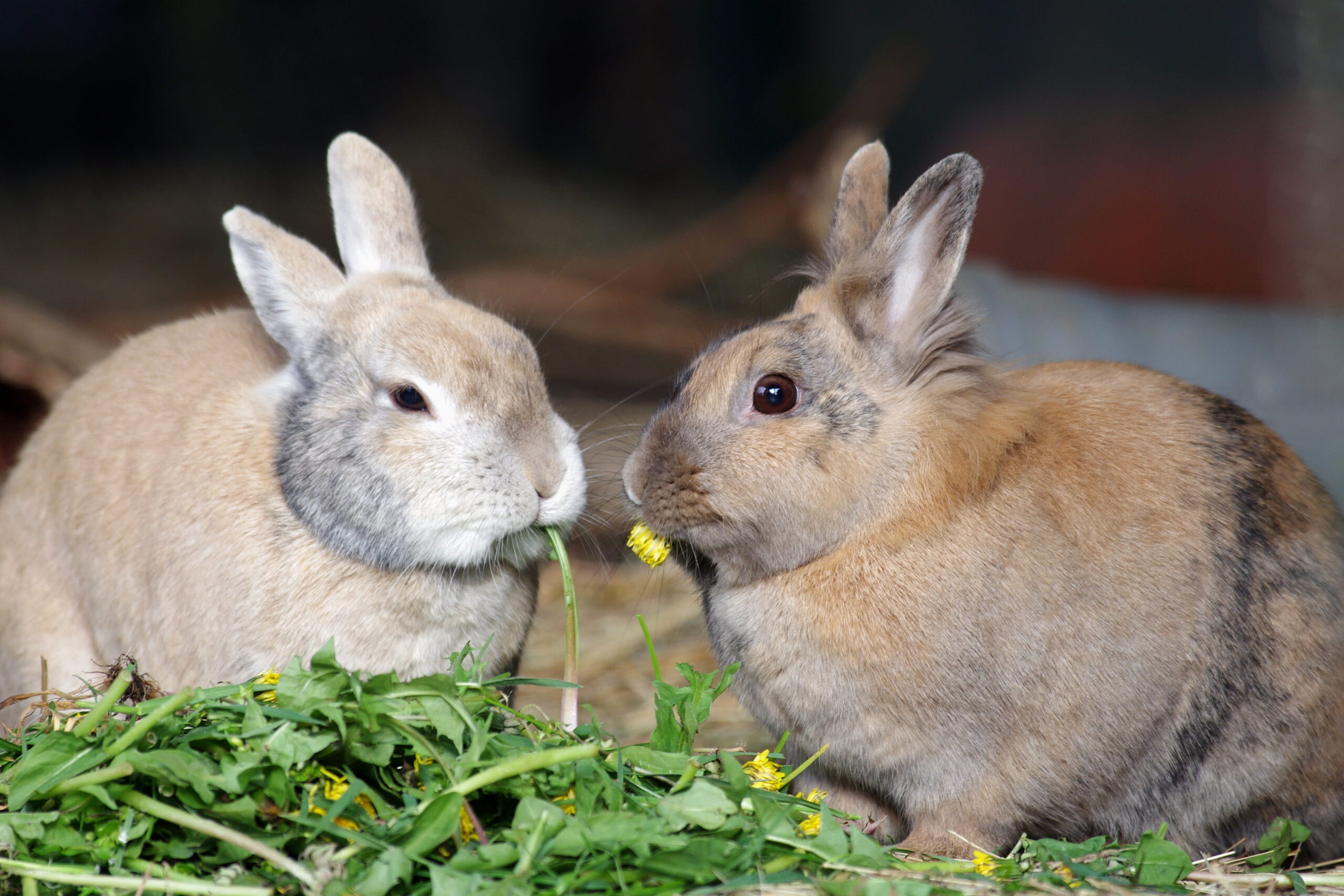
Wild rabbits live in groups where they groom one another, rest together, communicate constantly, and provide companionship throughout the day. These interactions form an important part of their well-being.
Because of this, many rabbit welfare organisations recommend keeping rabbits in compatible pairs whenever possible. A bonded companion provides social interaction, comfort, grooming, and security that humans cannot fully replace.
While there are situations where rabbits may need to live alone due to medical or behavioural reasons, most rabbits benefit enormously from companionship.
A neutered male and a neutered female often form the most successful pairing, although every rabbit has its own personality, and bonding should always be approached carefully.

Introducing a New Rabbit Safely
Successful bonding requires patience and planning.
Rabbits are naturally territorial, and introducing them too quickly can result in fighting, stress, and injury.
Before introducing a new rabbit:
- Ensure both rabbits are healthy and examined by a veterinarian.
- Discuss neutering with your veterinarian if appropriate.
- Allow each rabbit to become familiar with the other’s scent.
- Introduce them in a neutral area that neither rabbit considers its territory.
- Closely supervise all interactions during the bonding process.
Bonding may take several days or even several weeks. The effort is worthwhile, as a strong bond can significantly improve the welfare of both rabbits.
If you’re unsure whether your rabbit is ready for a companion, an experienced veterinary clinic in Dubai can help assess your rabbit’s health and suitability for bonding.
Why Space Matters More Than Most Rabbit Owners Realise
One of the most common welfare issues seen in rabbits is inadequate living space.
Rabbits are active animals designed to run, jump, dig, stretch, and explore. Traditional hutches and small cages often prevent them from expressing these natural behaviours.
The Rabbit Welfare Association & Fund recommends a minimum living space of approximately three metres by two metres with enough height for rabbits to stand fully upright.
The aim is not simply to house a rabbit but to provide an environment that encourages healthy physical and mental activity.
Suitable indoor housing may include:
- A dedicated rabbit room
- A large exercise pen
- A rabbit-proofed living area
- Safe supervised exploration spaces
The more usable space your rabbit has, the better.

Creating an Enriching Environment for Animal Exotics Like Rabbits
Good exotic pet care involves creating opportunities for rabbits to engage with their environment throughout the day.
In the wild, rabbits spend much of their time exploring, foraging, digging, and interacting with other rabbits. Indoor rabbits need opportunities to perform these same behaviours.
Helpful enrichment options include:
Hiding Areas
As prey animals, rabbits need safe places to retreat and relax without feeling exposed.
Tunnels
Tunnels encourage movement and exploration while mimicking natural burrow systems.
Digging Opportunities
Dig boxes filled with shredded paper or rabbit-safe materials allow rabbits to express their natural digging instincts safely.
Foraging Activities
Scatter feeding, hay-based enrichment toys, and puzzle feeders encourage natural food-searching behaviours and help reduce boredom.
Elevated Platforms
Many rabbits enjoy climbing onto low platforms to observe their surroundings.
Chew Toys
Because rabbit teeth grow continuously, appropriate chew toys support both dental health and mental stimulation.
These simple additions can transform a basic enclosure into a far more engaging and rewarding environment.
Indoor Rabbit Care Advice From a Vet Clinic Dubai Owners Trust
Dubai’s climate makes indoor housing the safest option for many rabbits, particularly during the hotter months.
While air conditioning helps protect rabbits from extreme temperatures, it does not replace the need for enrichment and exercise.
Indoor rabbits should still have:
- Daily opportunities to move freely
- Unlimited access to fresh hay
- Enrichment activities and toys
- Quiet areas to rest and hide
- Regular social interaction
Many owners seeking advice from a vet clinic are surprised to learn how strongly boredom and lack of stimulation can affect rabbit welfare.
Physical health and emotional well-being are closely connected.

Signs Your Rabbit Is Thriving
Rabbits experiencing good welfare often display clear signs that they feel comfortable and secure.
Positive behaviours include:
- Exploring confidently
- Stretching out comfortably while resting
- Performing “binkies” or playful jumps
- Showing curiosity about their surroundings
- Eating hay enthusiastically
- Grooming normally
- Interacting positively with bonded companions
These behaviours indicate that a rabbit feels safe, stimulated, and engaged with its environment.
Keep Your Rabbit Healthy with the Arabian Hare Membership
Creating the right environment is one of the best ways to support your rabbit’s health, but regular veterinary care is just as important. Many aspects of rabbit health, including weight changes, dental disease, diet, and digestive health, can develop gradually and are often difficult to spot at home.
The Arabian Hare Membership has been designed to make preventive rabbit healthcare easier year-round. It includes an Annual Health Check with a Health & Husbandry Review, two nail clips, an Annual Digestive Health Faecal Screen, and savings on selected products and services, including dental treatments and procedures.
These routine visits allow the team at Two Feet Four Paws Veterinary & Exotic Clinic to monitor your rabbit’s overall health, review their diet and living environment, assess dental health, and identify subtle changes before they become more serious concerns.
Discover what’s included in the Arabian Hare Membership and how it can help support your rabbit’s health throughout the year.
Supporting Rabbit Welfare Through Exotic Pet Care
Providing excellent rabbit care involves much more than supplying food and shelter.
Companionship, space, enrichment, and opportunities to express natural behaviours all contribute to long-term wellbeing. Small improvements to housing and daily routines can make a remarkable difference to a rabbit’s quality of life.
At 2Feet4Paws, we regularly support owners seeking guidance on exotic pet care and the welfare of animal exotics such as rabbits. Whether you’re introducing a new companion, improving your rabbit’s environment, or looking for advice from an exotic veterinary clinic, our team is here to help.

