
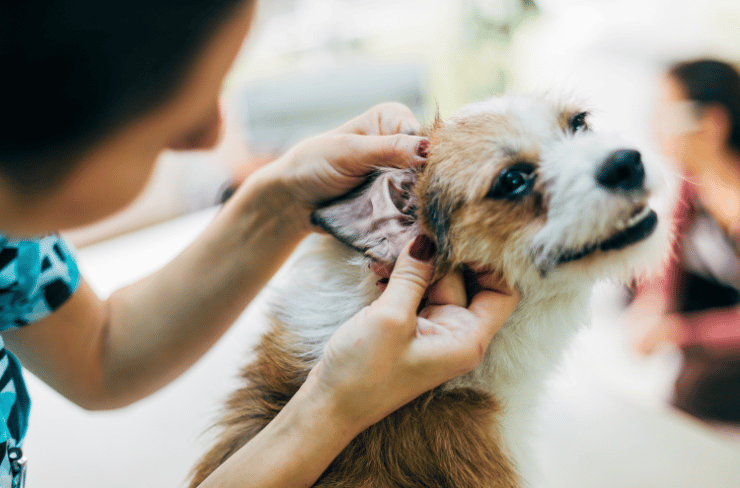
A dog that keeps shaking its head, scratches one ear or pulls away from a familiar stroke may be uncomfortable. Ear problems can affect sleep, play and tolerance of handling, even when your dog is still eating normally.
An itchy or painful ear does not automatically mean an infection is present. Ear inflammation can have several causes, and bacterial or yeast infection may develop secondarily. A vet clinic in Dubai can assess what is happening before you reach for an ear cleaner or reuse old drops. This guide explains what to notice, when to seek help and how treatment is chosen.
Signs Your Dog May Have an Ear Problem
Watch for changes from your dog’s usual behaviour, alongside visible changes around the ear:
- Repeated head shaking, scratching or rubbing the face against furniture
- Reluctance to have the head touched or an unexpected reaction during handling
- Redness, swelling, an unusual smell or discharge
- Scabs or sores around the ear, or a visibly swollen ear flap
Avoid repeatedly lifting or probing a painful ear to check it. Arrange an appointment promptly if these signs appear; waiting for discharge can miss an earlier problem. The PDSA guide to ear infections describes the signs owners may notice.
A head tilt, loss of balance or vomiting alongside ear signs needs same-day veterinary advice. These changes may involve the middle or inner ear, but can also have other causes. If your dog cannot stand or seems severely unwell, seek urgent care. Rather than relying only on a search for an “emergency dog clinic near me”, call ahead to confirm where your dog can be seen. The 2Feet4Paws Nightline provides 24-hour telephone guidance on the next step.
What Causes Ear Problems in Dogs
Otitis externa means inflammation of the outer ear canal. Bacteria or yeast may then multiply in that inflamed environment, causing a secondary infection. Treating the microbes alone may not resolve the underlying cause of the ear inflammation.
Allergies are an important underlying cause, especially when ear trouble returns alongside itchy skin or paw licking. Food is only one possible trigger, so changing diets at random is not a reliable test. Our guide to feeding a dog with allergies explains why a structured veterinary assessment matters.
Ear mites, a foreign body such as a grass seed, or a growth in the canal can also cause problems. Moisture and ear shape may make some dogs more susceptible. Sudden shaking focused on one ear is useful information for your veterinarian, not proof of a particular cause. The Merck Veterinary Manual distinguishes underlying causes from secondary infection.
How a Vet Clinic in Dubai Investigates Ear Problems

The consultation starts with the history: when signs began, whether one or both ears are affected, previous treatment and any skin itching. Your veterinarian examines the ears and may use an otoscope to inspect the canal and eardrum. Pain, swelling or heavy discharge can make a full examination difficult; sedation may be needed to do it safely.
A sample examined under a microscope can help identify yeast, bacteria and inflammatory cells. Culture and susceptibility testing, or further investigation, may be appropriate in selected persistent, recurrent, or difficult-to-treat cases. Discharge colour or smell alone cannot reliably identify the cause. A vet clinic can choose tests based on the findings rather than prescribing the same drops for every sore ear. The MSD Veterinary Manual explains the examination and sampling process.
Treatment and Why Follow-Up Matters
Treatment may include a suitable ear medicine, pain relief and carefully planned cleaning. The choice depends on the organisms present, inflammation and the condition of the eardrum. Some dogs need additional treatment for an underlying allergy or another problem.
Use all medications and ear treatments exactly as prescribed and attend the recommended recheck, even if your dog appears comfortable sooner. Your veterinarian may need to confirm that the canal has recovered and reassess samples. Tell your vet clinic if administering treatment hurts, your dog resists strongly, or signs worsen; do not force the process.
A swollen ear flap may be an aural haematoma, a collection of blood often associated with scratching or shaking. It needs a veterinary assessment, including an evaluation of the cause of the irritation. Do not puncture or drain it at home. Read PDSA’s explanation of aural haematomas for more detail.

Safe Ear Care at Home
Do not put cotton buds into the canal, use vinegar or other home remedies, or restart leftover drops without advice. A product suitable for a healthy ear may irritate an inflamed one, and some medicines are unsuitable if the eardrum is damaged.
Most healthy ears do not need routine cleaning. Ask your veterinarian whether your dog needs it, which product to use and how often. After bathing or swimming, gently dry the visible outer ear without pushing material into the canal.
Keep ear checks part of your normal grooming routine, as discussed in our practical pet-health guide. Before an appointment, note recent swimming, grooming, medications and previous episodes. Bring the names of products already used; this helps your Dubai vet clinic assess the pattern.
Arrange an Ear Check Before Discomfort Worsens
If your dog’s ears seem painful or its behaviour has changed, arrange an assessment with a vet clinic. Contact 2Feet4Paws Veterinary Clinic to book a consultation and discuss the signs you have noticed.
FAQs
Yes. Itching, pain or head shaking may appear without a noticeable smell. Do not use odour as the deciding factor for seeking advice.
No. Mites are one possible cause, but allergies, foreign bodies and other problems can also lead to inflammation or infection. Examination helps distinguish them.
Many bacterial or yeast ear infections are not contagious. Ear mites can spread between animals, so ask whether other pets need assessment if mites are diagnosed in one pet. See PDSA’s guidance on ear mites.
Not unless your veterinarian specifically prescribes them. The ingredients and the condition of your dog’s ear must be assessed first.
Not necessarily. Some episodes resolve with treatment, while recurrent disease may require a longer-term plan tailored to the underlying cause.
