
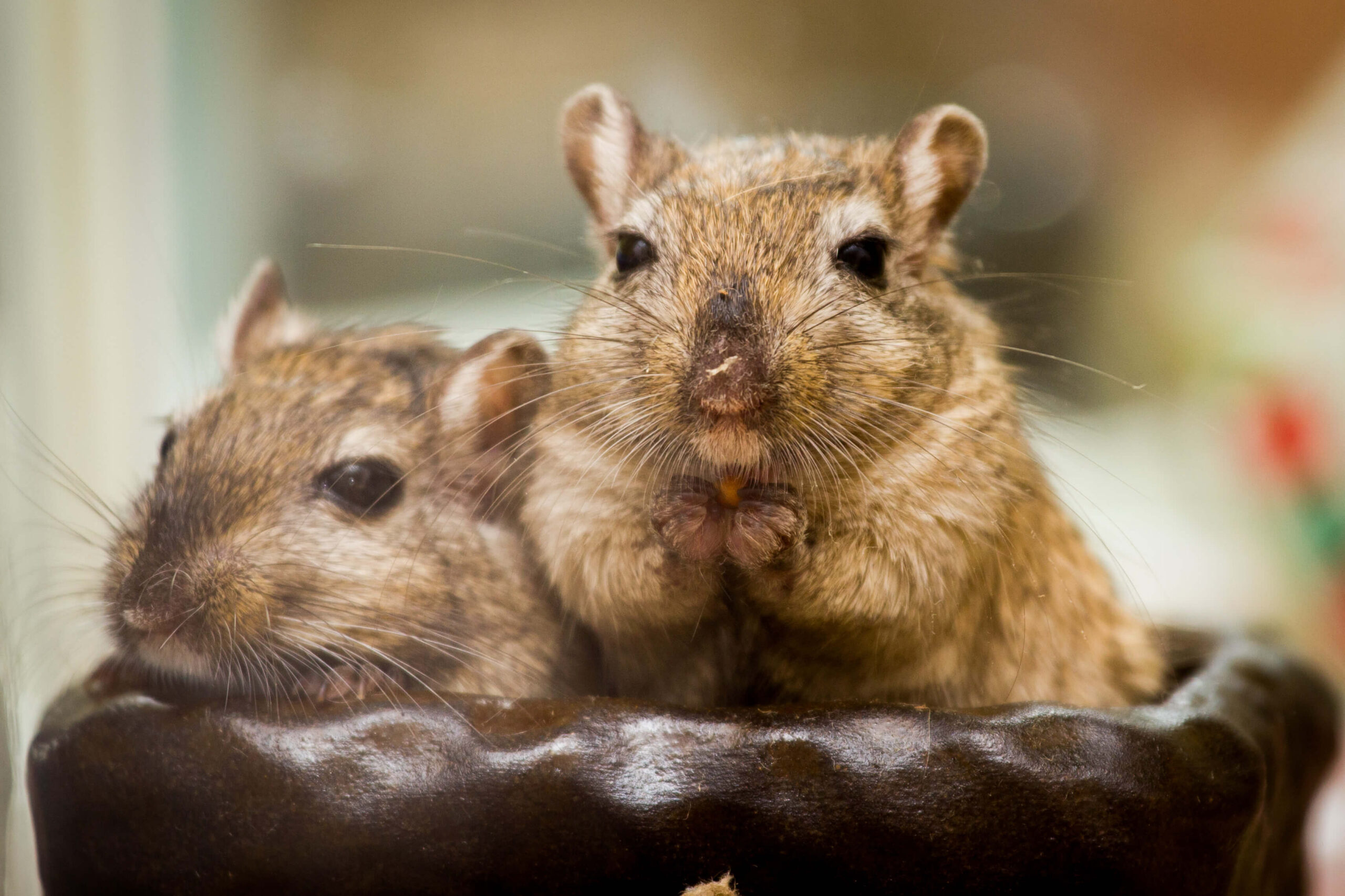
A hamster that usually appears at feeding time stays tucked away. A curious rat loses interest in exploring. A gerbil that is normally busy digging spends much longer sitting quietly. In small rodents, changes like these can be easy to overlook, and pain or illness may first appear as a difference from normal behaviour.
Not every quiet day signals a problem. The useful comparison is your pet today against their own usual pattern. Recognising that a baseline is an important part of exotic pet care because it can help you act before a subtle change becomes an obvious decline.
Why Pain Awareness Matters in Small Rodent Exotic Pet Care
Rodents are prey animals, so obvious weakness can make them vulnerable. Early signs of pain or illness may therefore be subtle. There is also no single behaviour that confirms pain: reduced activity, hiding or eating less may also occur with stress, ageing or an unsuitable environment. You do not need to diagnose the cause at home. Your role is to notice that something has changed.
Behavioural Changes Worth Watching
Start with everyday habits: when your pet wakes, approaches food, explores, climbs, burrows, grooms and interacts. Possible signs of pain or illness include:
- Becoming less active, hiding more or spending longer in one place
- Showing less interest in exploring, companions or interaction
- Moving differently, appearing stiff or becoming reluctant to climb or walk

- Sitting in a hunched or unusual posture
- Grooming less, developing a rough coat or repeatedly attending to one area
- Becoming unusually irritable, defensive or reluctant to be handled
- Eating less or changing the way food is selected, held or chewed
One sign rarely reveals the cause. Pay closer attention when a change persists, becomes more noticeable or appears with another behavioural or physical sign.
Quiet Behaviour Differs Between Species
Hamsters are naturally most active in the evening and at night, so daytime sleep is not itself a sign of pain. Rats are often social and inquisitive, making sudden withdrawal more noticeable. Gerbils are usually active explorers; the loss of that behaviour, especially with a hunched posture, rough fur, or weight loss, warrants attention. For mice, changes in nesting, climbing, feeding, or interaction may be more useful than a single activity measurement.
Changes in Movement Can Be Important
Pain in the feet, limbs, joints, or another part of the body may cause a rodent to avoid a platform, move more slowly, favour a limb, or stop an activity it previously managed easily. Watch the movement in the enclosure instead of repeatedly picking the animal up. A familiar environment often reveals subtle changes with less stress.
Look at Behaviour and Physical Signs Together
Check for:
- Weight loss, reduced food or water intake, or changes in urine or faeces
- A rough or thinning coat, wounds, swelling, hair loss or new lumps
- Eye or nose discharge, noisy breathing or increased breathing effort
- Difficulty chewing or holding food, or overgrown or abnormal teeth
Regular weighing can identify a gradual trend that is difficult to see beneath the coat. Use a suitable scale, weigh under similar conditions and keep a record. This simple habit makes home monitoring more useful and gives the veterinary team clearer information.
Eating Less Is Not Always Fussiness

Watch how your pet eats, not only whether the food disappears. Approaching food but struggling, choosing softer items, dropping pieces or taking longer can be significant. Dental disease is one possible cause, but reduced appetite has many explanations.
For a related example of how oral pain changes feeding behaviour, see our guide to rabbit dental problems. Rabbits are not rodents, but the same principle applies: an animal may still eat selected foods while discomfort is present.
Watch Before You Handle
If you are concerned, quietly observe walking, resting, eating, grooming and interaction in the enclosure. A short video may help your veterinarian if the behaviour does not occur during the consultation. Do not delay care to collect photographs or video when your pet appears seriously unwell.
When to Contact a Veterinarian
Contact a veterinarian when an unexplained change persists, worsens or appears with another sign. Seek prompt advice if your hamster, rat, mouse or gerbil:
- Stops eating or has a marked reduction in food intake
- Has difficulty breathing, becomes very weak, collapses or is unusually unresponsive
- Cannot walk normally or develop loss of balance, seizures or poor coordination

- Has significant bleeding, trauma, an obvious injury or a rapidly enlarging swelling
- Is losing weight or body condition
Small rodents can deteriorate quickly once illness becomes obvious. Do not give human painkillers or medicine prescribed for another pet; the drug and dose must be appropriate for the individual animal. If you are searching for an exotic veterinary clinic near me, check that the team routinely treats small mammals and provides species-appropriate handling, diagnosis and treatment.
What to Record Before the Appointment
Note when the change began, whether it is improving or worsening, what your pet has eaten and drunk, and any change in weight, urine or faeces. Mention recent changes to bedding, diet, companions, enclosure or routine. If the animal lives with other rodents, record whether its social interactions have changed. These details help connect home behaviour with the clinical examination.
Small Changes Can Tell You a Lot
Knowing when your pet wakes, how they move, what they eat and how they interact gives you a useful reference point. A change may not prove painful, but it can be an early indication that something is wrong. If your hamster, rat, mouse or gerbil is behaving differently, contact 2Feet4Paws Veterinary Clinic in Dubai to arrange an exotic pet consultation.
FAQs
No single behaviour confirms pain. Reduced activity, hiding, altered movement, eating less, poor grooming or unusual defensiveness matter most when they differ from your pet’s normal pattern or occur together.
Not necessarily. Hamsters normally sleep for much of the day. A change in the usual evening activity, feeding or interaction pattern is more informative than daytime sleep alone.
Yes. Some animals eat less, take longer, drop food or choose softer items before their appetite disappears. Eating something does not rule out pain or illness.
Watching natural movement in the enclosure may provide better information with less stress. Avoid repeated handling if it appears painful, breathing is difficult, or the animal is very weak.
In veterinary medicine, exotic animals commonly include small mammals such as hamsters, rats, mice, and gerbils. Their anatomy, medication doses, and handling needs differ, so choose a team experienced in small-mammal exotic-pet care.
