
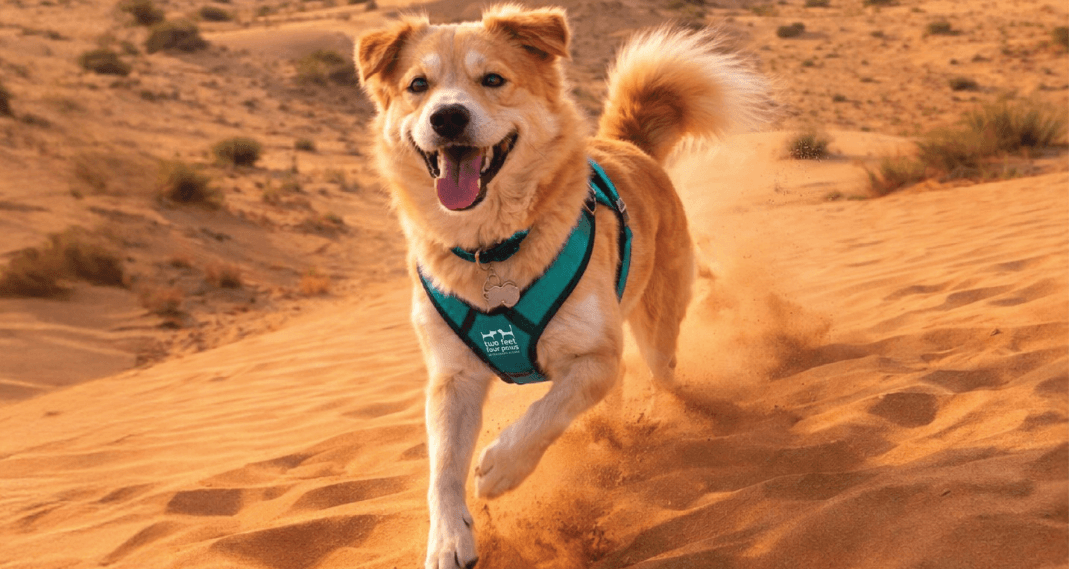
Taking your dog for a desert adventure in Dubai can be a great way to bond, exercise, and enjoy the outdoors together. From wide sand dunes to rugged wadis, these landscapes offer stimulation and freedom for dogs that love to explore. However, even in these dry environments, there is a hidden risk many owners underestimate: ticks.
Many pet owners believe ticks only live in grassy parks or wooded areas, but ticks are highly adaptable parasites. In Dubai’s warm climate, they remain active year-round, making tick prevention for dogs an essential part of responsible pet care. As a veterinary clinic in Dubai, we frequently see tick-borne disease in dogs that regularly enjoy outdoor walks.
Ticks such as the brown dog tick, commonly found across the UAE, and desert-adapted Hyalomma species can attach to dogs during desert walks. These ticks can transmit serious illnesses, such as canine ehrlichiosis and babesiosis, which can become life-threatening if not diagnosed early by a qualified dog vet in Dubai.
The good news is that desert walks do not need to stop. With the right preparation and awareness, dogs can continue to enjoy outdoor adventures safely.
Why Tick Prevention for Dogs in Dubai Is Essential Year-Round
Unlike in cooler climates, where ticks appear seasonally, Dubai’s climate allows them to survive year-round. This means there is no true “off-season” for ticks in the UAE. Dogs that walk in desert areas, hike, camp, or spend time near grazing land are continuously exposed.
Because there is currently no vaccine for ehrlichiosis or most tick-borne diseases affecting dogs, prevention and early detection are critical. This is why year-round parasite control is consistently recommended by experienced pet clinics in Dubai.
Before the Walk: Preparing Your Dog for Desert Tick Risks
Tick protection should begin well before your dog steps into the desert. A tailored prevention plan makes a significant difference, especially for dogs that walk outdoors regularly.
Veterinary-approved tick prevention options may include:
- Monthly spot-on treatments
- Oral tick preventives
- Long-acting tick-repellent collars

The most appropriate option depends on your dog’s size, health, and lifestyle, which is why guidance from a dog vet in Dubai is important before choosing a product.
If your dog joins you on frequent desert walks, hikes, or camping trips, long-term prevention is essential. Dogs regularly exposed to wildlife zones, camel farms, or stray-animal areas are at increased risk.
For a deeper look at one of the most common tick-borne diseases we see, read our guide on canine ehrlichiosis in dogs here.
During the Walk: Reducing Tick Exposure in Desert Environments

Ticks cannot jump or fly. Instead, they wait in vegetation and attach when a host brushes past. In desert environments, ticks are more likely to hide in shaded shrubs, grasses, and low vegetation than in open sand.
Keeping your dog on clear paths and avoiding dense vegetation helps reduce exposure. Using a leash also helps prevent wandering into tick-infested areas, particularly near grazing land or wildlife zones.
Some veterinary clinics in Dubai may also recommend additional tick-repellent products for higher-risk walks. These are typically applied to areas such as the legs, chest, and belly, which are common sites for tick attachment. Human insect repellents should never be used on pets.
After the Walk: What Comes Next
Tick prevention does not end when the walk is over. Home checks play a vital role in catching problems early.
In Part 2, we explain exactly what to do once you return home, including:
- How to check your dog properly for ticks
- How to remove ticks safely
- Early signs of tick-borne disease that should never be ignored

Leave a Reply