
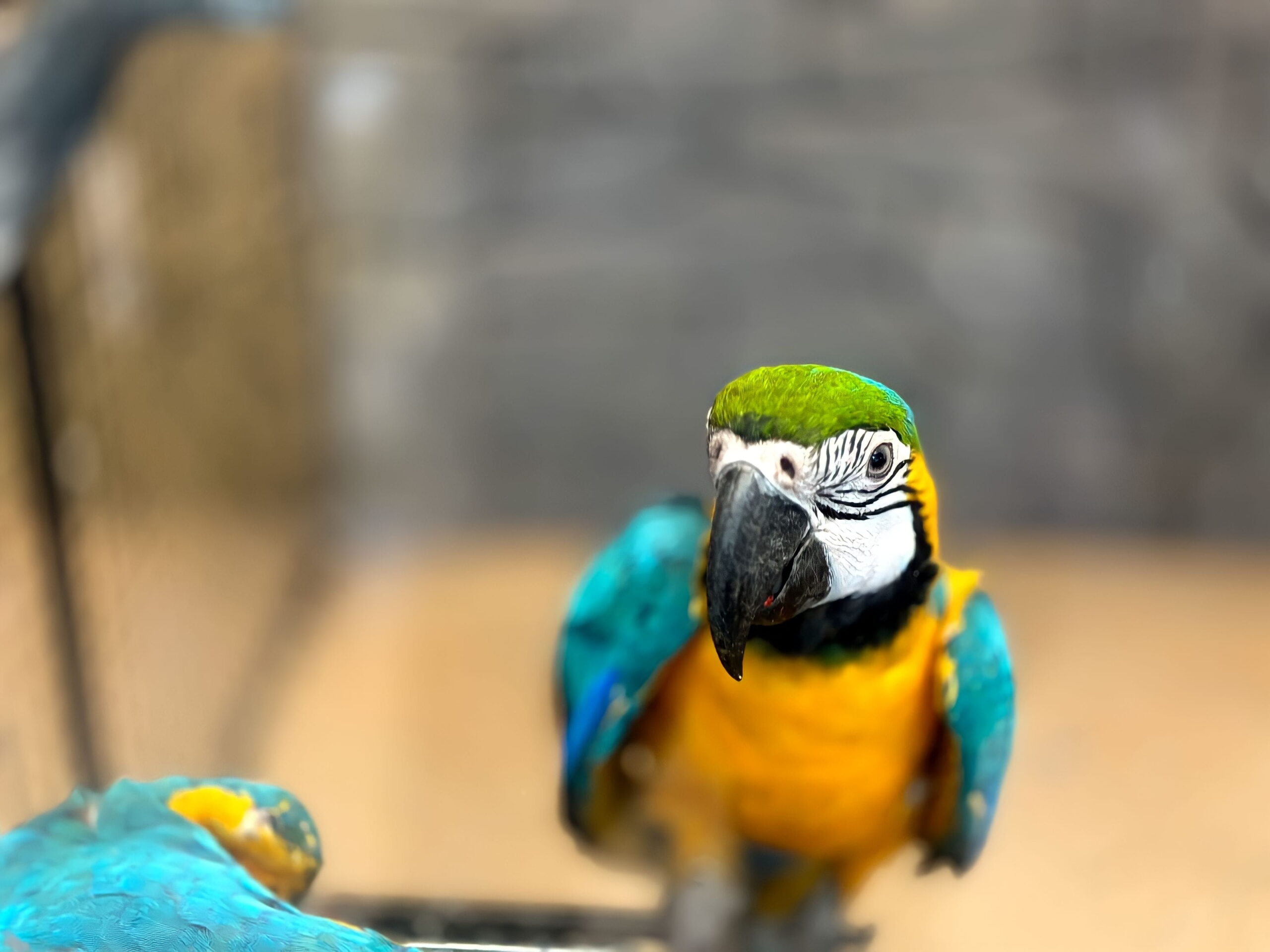
Parrots are fascinating companions. They are intelligent, emotional, curious, and capable of forming incredibly strong bonds with their owners. However, caring for a parrot is very different from caring for a dog or cat, and many bird owners underestimate how sensitive parrots can be when it comes to their health.
One of the biggest challenges with parrots is that they naturally hide signs of illness. In the wild, showing weakness makes birds vulnerable to predators, so even seriously unwell parrots may continue behaving relatively normally until they can no longer cope.
Because of this, subtle changes often matter far more than owners realise. A quieter personality, reduced appetite, changes in droppings, feather condition, or sleeping habits can all be early indicators that something is wrong.
For owners seeking an experienced avian vet, understanding these early warning signs is one of the most important aspects of responsible bird ownership.

Why Parrots Become Sick More Easily Than Owners Expect
Parrots are highly sensitive animals whose health is closely linked to their environment, diet, stress levels, and daily routine.
Unlike some pets that tolerate inconsistency fairly well, birds often react physically to stress, boredom, poor nutrition, or environmental changes. Even factors such as household noise, poor air quality, lack of sleep, or insufficient stimulation can gradually affect their well-being.
This is one reason why preventive exotic pet care is so important. Many illnesses seen in parrots develop slowly over time, and by the time obvious symptoms appear, the condition may already be advanced.
Regular veterinary checks help identify these problems early, often before the bird begins showing visible signs of illness.
Nutritional Problems Are One of the Biggest Health Risks
One of the most common issues seen by any avian vet is poor diet.
Many parrots are still fed primarily seed-based diets, but seeds alone are not nutritionally balanced for long-term health. While parrots enjoy seeds, wide varieties are high in fat and low in essential nutrients.
Over time, poor nutrition can contribute to:
- Obesity
- Fatty liver disease
- Weak immune function
- Poor feather quality
- Vitamin deficiencies
- Reduced energy levels
A healthy parrot diet should include a balance of formulated pellets, fresh vegetables, leafy greens, and carefully selected fruits.
Introducing dietary changes can take time, especially for birds accustomed to eating only seeds. Patience and gradual transition are important.
Owners should also remember that some human foods are dangerous for parrots, including avocado, chocolate, caffeine, alcohol, and heavily salted foods.
Feather Plucking Is Often More Than a Behaviour Problem
Feather plucking is one of the most distressing conditions owners encounter.
Many people assume feather destruction is simply “bad behaviour,” but in reality, it is often linked to underlying stress, boredom, anxiety, hormonal changes, or medical problems.
Parrots are highly intelligent animals that need daily mental stimulation. Without enough interaction, enrichment, or environmental variety, they can develop chronic stress behaviours.
Common contributing factors include:
- Lack of social interaction
- Small or unstimulating cages
- Sudden routine changes
- Poor sleep quality
- Nutritional imbalance
- Underlying skin irritation or illness
Some parrots begin by over-preening, then progress to feather pulling or skin damage.
Because feather plucking can have both behavioural and medical causes, assessment by an experienced avian vet in Dubai is extremely important before assuming the issue is purely emotional.
Respiratory Disease Can Become Serious Very Quickly
Birds have highly efficient but extremely delicate respiratory systems.
This means parrots are far more sensitive to airborne toxins and environmental irritants than many owners realise. Smoke, scented candles, incense, aerosol sprays, cleaning chemicals, and even overheated non-stick cookware can all affect respiratory health.
Signs of respiratory illness may include:
- Tail bobbing while breathing
- Clicking or wheezing sounds
- Open-mouth breathing
- Reduced vocalisation
- Nasal discharge
- Lethargy
Birds experiencing breathing difficulties should always be seen promptly, as respiratory disease can progress rapidly.
Good ventilation, clean living conditions, and avoiding airborne irritants play a major role in prevention.
Dental and Beak Problems in Birds
Although parrots do not have teeth, beak health is extremely important.
An overgrown or misshapen beak may indicate nutritional imbalance, liver disease, trauma, or underlying illness. Some birds may struggle to crack food properly or lose weight gradually because eating becomes uncomfortable.
Nail overgrowth is another common issue, especially in indoor birds with limited climbing surfaces or limited variation in natural perches.
Routine examinations at an experienced exotic veterinary clinic can help detect these problems before they begin affecting daily quality of life.
Behaviour Changes Are Often Early Warning Signs
Parrots are creatures of habit, which means behavioural changes are often among the earliest indicators of illness.
Owners should monitor for:
- Reduced vocalisation
- Increased sleeping
- Sitting puffed up for long periods
- Loss of appetite
- Aggression or withdrawal
- Changes in droppings
- Reduced interest in interaction or toys
Even subtle changes deserve attention, especially if they persist.
One of the most valuable things an owner can do is simply observe their bird closely each day. Knowing what is normal makes it easier to recognise when something changes.
Preventive Care Makes a Significant Difference
Many health problems in parrots can be reduced through good husbandry, nutrition, enrichment, and regular veterinary care.
Preventive bird care includes:
- Balanced nutrition
- Proper cage size and setup
- Daily mental stimulation
- Safe perches and toys
- Good sleep routines
- Clean air quality
- Routine veterinary examinations
Birds thrive when both their physical and emotional needs are supported consistently.
Healthy Parrots Depend on Early Intervention
Parrots are incredibly rewarding companions, but they require attentive and informed care.
Because birds instinctively hide illness, early intervention often makes the biggest difference to outcomes. Small symptoms should never be dismissed, especially when they involve appetite, breathing, behaviour, or feather condition.
At 2Feet4Paws, we provide advanced veterinary care for parrots and other exotic pets, combining experienced avian medicine with calm, compassionate handling designed to reduce stress for both birds and owners.
