

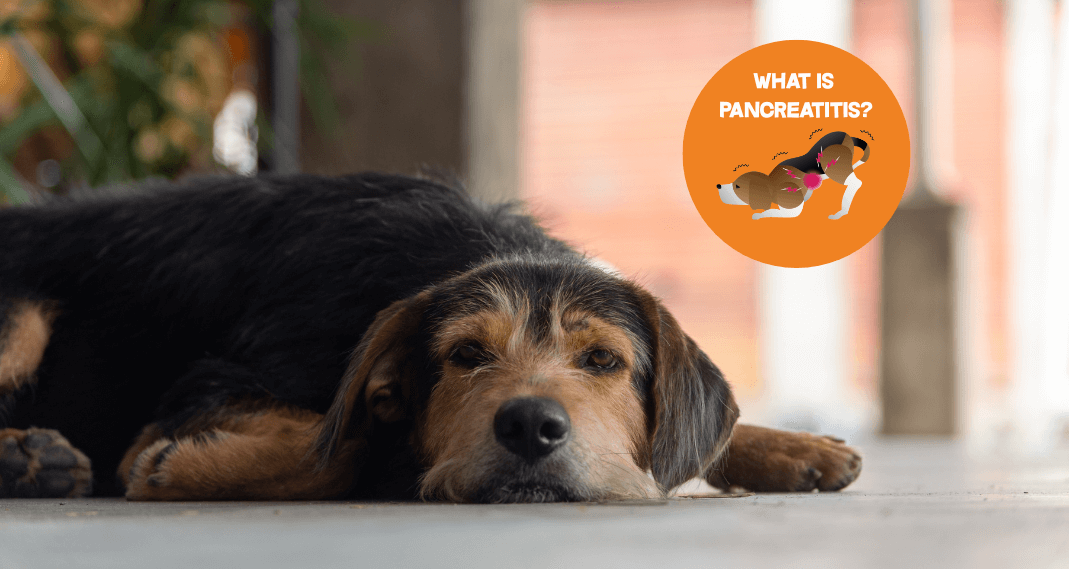
The festive season brings delicious food, family gatherings and plenty of indulgence, but for pets it also brings a sharp rise in emergency veterinary visits. At 2Feet4Paws Veterinary Clinic in Dubai, we have noticed a noticeable increase in pancreatitis cases during holidays, particularly after pets have been given rich table scraps or raided the trash bin.
Pancreatitis is a painful, potentially serious, and often preventable condition. Understanding how it develops and what to watch for can help you protect your dog or cat during celebrations.
How Pancreatitis Affects Dogs and Cats
The pancreas plays a vital role in digestion and blood sugar control. When it becomes inflamed, digestive enzymes are released too early and begin attacking the pancreas itself. This causes severe abdominal pain, nausea, vomiting and, in some cases, life-threatening complications.
Dogs most commonly develop pancreatitis after eating high-fat foods such as turkey skin, sausages, cheese or gravy. Cats can also develop pancreatitis, often in conjunction with other underlying illnesses, making early detection especially crucial. If you are unsure whether something your pet has eaten could be harmful, it is always best to consult a veterinarian in Dubai as soon as possible.
Common Causes and Early Warning Signs
Pancreatitis is often triggered by factors that are common during the festive season, including sudden diet changes, fatty leftovers, getting into the bin, obesity, certain medications and existing medical conditions.
Contact your pet clinic in Dubai if you notice any of the following:
- Vomiting or repeated retching
• Refusal to eat
• Abdominal pain or a hunched posture
• Lethargy, weakness or hiding behaviour
• Diarrhoea
• Dehydration or dry gums
• Fever or unusually warm ears and paws
These signs can appear suddenly and often worsen quickly, which is why early veterinary care is essential.

How Pancreatitis Is Diagnosed and Treated
At 2Feet4Paws Veterinary Clinic, diagnosing pancreatitis typically involves a physical examination, blood tests that include pancreas-specific markers, and ultrasound imaging when needed. This enables our veterinary team to confirm the diagnosis and assess the severity of the condition.
Treatment focuses on easing pain, controlling nausea, supporting hydration with intravenous fluids and providing easily digestible, low-fat nutrition. Some pets can be managed at home with close monitoring, while moderate to severe cases require hospitalisation for intensive care. Our aim is always to stabilise your pet quickly while keeping stress and discomfort to a minimum.
Preventing Pancreatitis and Keeping Pets Safe
The good news is that many cases of pancreatitis are preventable. A few simple steps can dramatically reduce the risk, especially during the holidays:
- Avoid all fatty leftovers such as turkey skin, sausages, cheese and gravy
• Keep bins secured and food out of reach
• Ask guests not to feed your pets
• Stick to your pet’s regular diet
• Offer only pet-safe treats

If you believe your pet has eaten something they should not have, or if you notice early symptoms, contact your veterinary clinic in Dubai immediately. Early treatment often prevents serious complications.
At 2Feet4Paws, our British-owned and managed veterinary team provides compassionate, advanced care for dogs, cats and exotic pets. Whether it is routine advice or urgent support, we are here to help you keep your pets healthy throughout the festive season and beyond.
Written by Belle Lae Moran VN AVLM


Leave a Reply