
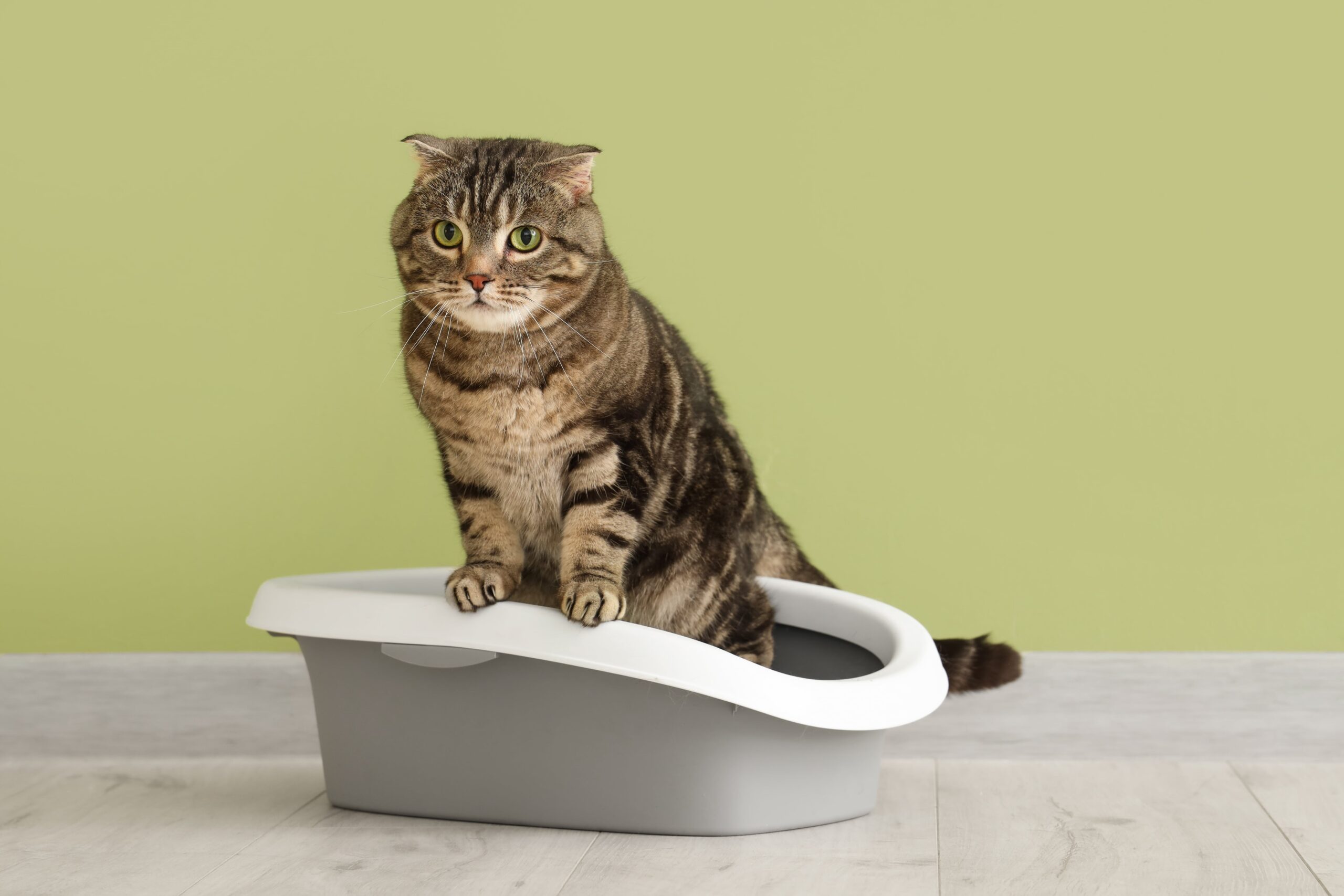
Cleaning the litter box is hardly anyone’s favourite job, but for cat owners, it is one of the simplest ways to keep an eye on a cat’s digestive health. At 2Feet4Paws Veterinary Clinic, we often remind owners that what you see in the tray can offer early clues about your cat’s overall well-being. When you know what is normal for your cat, you are far more likely to spot problems early and get help before things become serious.
As a trusted pet clinic in Dubai, we encourage owners to think of the litter-box as a quick daily health check rather than just a chore.
What Healthy Cat Stool Should Look Like
Healthy stool tends to follow a fairly consistent pattern for most cats. Changes from this pattern are what matter most. In general, you can expect:
- Colour: A rich brown to dark brown hue usually suggests normal digestion and nutrient absorption.
- Consistency: Firm but not rock-hard, shaped like a log and easy to pick up. It should not be dry pellets or runny liquid.
- Frequency: Many healthy adult cats pass stool once or twice a day. Some variation can be normal, especially in kittens or cats on high-moisture diets.
- Smell: All stool has an odour, but it should not be dramatically stronger than usual or suddenly extremely foul.
If your cat’s stool is well-formed, passed regularly and fairly consistent in appearance, that is usually reassuring. The key is to notice when the pattern changes.
Stool Changes That Mean Your Cat Should See a Vet
Because cats are good at hiding discomfort, changes in stool are often one of the first signs that something is not right. If you notice any of the following changes, it is advisable to consult a cat veterinarian in Dubai for guidance.
Colour changes to watch for:
- Very dark or black stool: This can be linked to bleeding higher up in the digestive tract and should always be treated as a medical emergency.
- Red or streaks of red in the stool: Fresh blood from the lower bowel or from straining to pass faeces.
- Yellow, orange or unusually pale stool: May be associated with poor fat absorption, liver problems or bile flow issues.
- Green stool: Sometimes linked to eating grass, but if it continues, it can suggest intestinal or bile-related irritation.
- White stool or white “rice grain” segments: Often related to parasites such as tapeworms and needs treatment.

Changes in frequency and consistency:
- Loose or watery stool that lasts more than twenty-four hours can indicate infections, parasites, food intolerance or other gastrointestinal issues.
- Passing much larger amounts of stool than usual may indicate malabsorption or dietary problems.
- No stool for more than forty-eight hours, especially with straining or discomfort, raises concern for constipation or a possible blockage.

Odour and other signs:
- A very foul odour, quite different from your cat’s usual stool smell, may be associated with parasites, bacterial overgrowth or food intolerance.
- Mucus or a jelly-like coating on the faeces is often a sign of inflammation in the intestines.
- Behavioural changes, such as lethargy, vomiting, reduced appetite, or weight loss, together with abnormal stool, indicate that your cat should be seen promptly at an animal clinic in Dubai, such as 2Feet4Paws.
When in doubt, it is always safer to ask. Our team at 2Feet4Paws Veterinary Clinic can help you decide whether your cat needs to come in.
What You Can Do at Home – And When to Visit 2Feet4Paws Veterinary Clinic
If you notice a change, a little structured observation can be very helpful for your vet:
- Keep a brief “poop diary” for a couple of days, noting the colour, consistency, frequency, and any other symptoms, such as vomiting or a low appetite.
- Think about recent changes. Has your cat’s diet changed? Have they had new treats, table scraps, or possibly eaten food outdoors?
- Make sure your cat has easy access to fresh water. Many cats drink less than they should, which can contribute to constipation and harder stool.
- Keep the litter box clean, quiet, and easily accessible. Some cats avoid the tray when it feels dirty or is placed in a stressful area of the home.
These simple steps should never replace professional advice, but they provide your vet with useful context when you bring your cat to an expert veterinary care team like 2Feet4Paws.
You should book an appointment at 2Feet4Paws Veterinary Clinic if:
- You see black, tarry faeces or any obvious blood.
- Your cat has watery or very soft stool for more than a day.
- Your cat has not passed stool for over 48 hours, is straining, or is producing only very small, hard pellets.
- You see parasites or white segments in the stool, or your cat has not been dewormed recently.
- There are stool changes together with lethargy, vomiting, reduced appetite or weight loss.
At our veterinary clinic in Dubai, we may recommend a physical examination, stool analysis, parasite screening, blood tests, or imaging, such as ultrasound, to identify the underlying cause. Early investigation almost always makes treatment easier and more effective.
Preventive Care and the 2Feet4Paws Difference
Good digestive health is supported by consistent, preventive care. Our team at 2Feet4Paws Veterinary Clinic Dubai often recommends:
- A balanced, high-quality diet suited to your cat’s age, lifestyle and medical needs.
- Regular deworming and year-round parasite prevention.
- Encouraging gentle exercise and play to support gut motility and overall well-being.
- Managing stress around the home, as anxiety can also affect the digestive system.
- Routine health checks at least once a year for adult cats, and more frequently for seniors or those with existing conditions.
You can also inquire about the 2Feet4Paws Club Membership, which is designed to make ongoing preventive care more structured and manageable for cat owners in Dubai.
As a British-owned and managed pet clinic in Dubai, 2Feet4Paws adheres to high clinical standards while maintaining a calm and compassionate experience for both pets and their owners. Whether you are concerned about a single unusual stool or a pattern of ongoing changes, our team is here to help you understand what the litter box is telling you.
